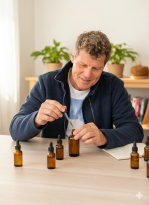
Content 50 ml
Recommended treatment
Free shipping on orders of more than £ 30.00
VAT included

Everyone feels anxious at times and mild anxiety is a normal response to stressful situations. It triggers our body’s response to danger, sending more oxygenated blood to the muscles as we get ready for “fight or flight”. This stress response can be positive, helping us get to school or work on time, or motivating us to study hard before an important test. For most of us, anxiousness comes and goes but some people find themselves in a permanent state of worry, fear and stress. Symptoms can include butterflies in the stomach, sweaty palms, rapid breathing and a raised heart rate. Anxiousness can sometimes be irrational, triggered by something that is not usually perceived as a worry or threat. It can be specific, such as a phobia about flying or a fear of public speaking, or a more general feeling of panic when your mind constantly whirls in circles and focusses on negative thoughts.
Luckily, mild to moderate anxieties can respond well to self-help methods of treatment. If stress and worries are starting to interfere with your everyday life, here are some tips and techniques that can help you to beat irrational anxieties.
As well as boosting your physical fitness, exercise is also good for your mental wellbeing. As little as five to ten minutes of aerobic exercise has been shown to lift and stabilise our moods, decrease tension, improve our quality of sleep, and boost self-esteem. Try running, brisk walking, cycling, dancing, tennis or swimming. If you can exercise in the open air, even better, as you then reap the benefits of fresh air and sunshine, both great natural destressers.
Eating a well-balanced diet with the emphasis on plenty of fresh vegetables, fruits, whole grains, pulses and lean protein is beneficial for both the mind and the body. Several foods are particularly helpful in reducing stress and irrational anxieties:
Oily fish such as mackerel, salmon, trout and herring is rich in Omega-3, a fatty acid that has a strong relationship with mental health. Omega-3 helps to provide EPA and DHA, two fatty acids that reduce inflammation and promote healthy brain function.
Brazil nuts are one of the foods richest in selenium and vitamin E, both known to help improve the mood. When someone is suffering from irrational anxieties, inflammation is often heightened.
A deficiency of vitamin D is increasingly thought to be linked to mental health problems such as anxiousness and stress. Eggs are an excellent source of vitamin D. They also contain tryptophan, essential for the creation of serotonin, a hormone that regulates mood, sleep and cognitive function and is also thought to relieve anxiety.
Some studies have shown that dark chocolate (over 70% cocoa) can help to relieve anxieties, although the mechanism is not yet clear. It is another good source of tryptophan and also contains flavonoids, thought to improve blood flow to the brain.
Pumpkin seeds are rich in potassium, an element that helps to regulate blood pressure. Potassium-rich foods may also help to alleviate the symptoms of anxiousness.
Naturally fermented foods such as yoghurt, kimchi and cheese contain bacteria beneficial to gut health. The gut is now regarded by many scientists as the body’s second brain so including fermented foods in the diet may help to reduce fear and irrational anxieties.
Meditation can be very effective in managing the symptoms of irrational anxiousness. In helping us to understand our fears, it improves our ability to recognise the triggers and our responses to stress. When we are unduly anxious, we are unable to regulate our emotions. By practising meditation regularly, it is possible to reprogramme the neural pathways in the brain and therefore improve our abilities to regulate our feelings.
Meditation teaches us to identify the negative thoughts and stories we tell ourselves. We learn two very important things: our thoughts are not real and neither do they define us. Once we have understood how to recognise and accept our irrational fears for what they are, we can let them go. This new perspective helps us to identify what is true and what is an episode of irrational anxiety.
Alternative medicine offers many natural alternatives to prescribed drugs. Bach Flower Remedies are pure flower essences developed by Dr Bach during the 1920s and 1930s and have been a popular treatment for irrational worries and anxieties ever since.
There are specific Bach Flower blends for various types of anxieties. For generalised anxieties, Bach flowers mix 85 helps to stop irrational worries about loved ones, avoid panic attacks and restore self-confidence. To treat a phobia of flying, Bach Mix 91 helps to control feelings of panic, to stay calm and to retain control of your emotions.
Bach First Aid Remedy is a reformulation of the much-loved Bach Rescue Remedy, a preparation that combines essences of rock rose, clematis, star-of-Bethlehem, impatiens, and cherry plum. It is helpful for use in challenging moments, emergencies and for treating panic attacks, calming and soothing your emotions so you can get on with your day.
Created by Tom Vermeersch (bio)

Tom Vermeersch is a certified Psychologist and Bach flower expert with more than 30 years of experience.

Is your sex life putting your relationship at risk?
Sexual desire is a complex interaction of hormones, emotions and well-being. When your partner is not as interested in sex as you are, it’s rarely a rejection of you as a person. So it’s essential to be as empathetic as you can regarding your differing libidos.

Can we learn from our mistakes and develop a stronger, healthier emotional bondwith our kids? To help you identify your weak spots, we’ve rounded up some of the most common mistakes parents make.

Do you suffer from a disorder known as "musturbation"? This term was first coined in the 1950s by psychotherapist Albert Ellis and described the way a negative inner voice rules our minds and bludgeons us with words such as "must", "should", and "ought".

It’s such a positive thing to do and hope springs eternal, so why not commit yourself to a change this year? Here’s our tips on how to stick to your new year’s resolutions.

"Bach Flower Advice" becomes "Mariepure"
After 25 years in the Bach flower world, we asked ourselves, is now the right time for our own new name? Not only have we grown, but so have you, along with the confidence you have in us. That's why we want to connect ourselves to our own name. That name is Mariepure.

Do you feel you're always doing the same things and not getting anywhere? It's common to feel stuck in a rut, treading water and just going through the motions.

Six things we think will make us happy, but don't!
When you think about things that will make you happy, what are the images that come to mind? Wealth, beauty, a dream house, long holidays, a top of the range car? Happiness is not a constant and how happy we feel depends on the way we choose to live our lives.

5 tips to survive autumn healthily
We simply can’t avoid noticing the changes all around us. Autumn is here... Autumn is also called a transitional season. Slowly and steadily, it prepares us for the transition...

How can I help my child achieve their dreams?
Children's imaginations know no limits and their dreams are a mix of hopes and fantasies, the real and the magical, the impossible and the achievable.

5 Signs of narcissistic perversion
Narcissism is a term we often see these days. But what does it mean? It's used to describe a person who is full of themselves or overly vain. However, it's not really about self-love.
Everyone feels anxious at times and mild anxiety is a normal response to stressful situations. It triggers our body’s response to danger, sending more oxygenated blood to the muscles as we get ready for “fight or flight”. This stress response can be positive, helping us get to school or work on time, or motivating us to study hard before an important test. For most of us, anxiousness comes and goes but some people find themselves in a permanent state of worry, fear and stress. Symptoms can include butterflies in the stomach, sweaty palms, rapid breathing and a raised heart rate. Anxiousness can sometimes be irrational, triggered by something that is not usually perceived as a worry or threat. It can be specific, such as a phobia about flying or a fear of public speaking, or a more general feeling of panic when your mind constantly whirls in circles and focusses on negative thoughts.
Luckily, mild to moderate anxieties can respond well to self-help methods of treatment. If stress and worries are starting to interfere with your everyday life, here are some tips and techniques that can help you to beat irrational anxieties.

As well as boosting your physical fitness, exercise is also good for your mental wellbeing. As little as five to ten minutes of aerobic exercise has been shown to lift and stabilise our moods, decrease tension, improve our quality of sleep, and boost self-esteem. Try running, brisk walking, cycling, dancing, tennis or swimming. If you can exercise in the open air, even better, as you then reap the benefits of fresh air and sunshine, both great natural destressers.
Eating a well-balanced diet with the emphasis on plenty of fresh vegetables, fruits, whole grains, pulses and lean protein is beneficial for both the mind and the body. Several foods are particularly helpful in reducing stress and irrational anxieties:
Oily fish such as mackerel, salmon, trout and herring is rich in Omega-3, a fatty acid that has a strong relationship with mental health. Omega-3 helps to provide EPA and DHA, two fatty acids that reduce inflammation and promote healthy brain function.
Brazil nuts are one of the foods richest in selenium and vitamin E, both known to help improve the mood. When someone is suffering from irrational anxieties, inflammation is often heightened.
A deficiency of vitamin D is increasingly thought to be linked to mental health problems such as anxiousness and stress. Eggs are an excellent source of vitamin D. They also contain tryptophan, essential for the creation of serotonin, a hormone that regulates mood, sleep and cognitive function and is also thought to relieve anxiety.
Some studies have shown that dark chocolate (over 70% cocoa) can help to relieve anxieties, although the mechanism is not yet clear. It is another good source of tryptophan and also contains flavonoids, thought to improve blood flow to the brain.
Pumpkin seeds are rich in potassium, an element that helps to regulate blood pressure. Potassium-rich foods may also help to alleviate the symptoms of anxiousness.
Naturally fermented foods such as yoghurt, kimchi and cheese contain bacteria beneficial to gut health. The gut is now regarded by many scientists as the body’s second brain so including fermented foods in the diet may help to reduce fear and irrational anxieties.
Meditation can be very effective in managing the symptoms of irrational anxiousness. In helping us to understand our fears, it improves our ability to recognise the triggers and our responses to stress. When we are unduly anxious, we are unable to regulate our emotions. By practising meditation regularly, it is possible to reprogramme the neural pathways in the brain and therefore improve our abilities to regulate our feelings.
Meditation teaches us to identify the negative thoughts and stories we tell ourselves. We learn two very important things: our thoughts are not real and neither do they define us. Once we have understood how to recognise and accept our irrational fears for what they are, we can let them go. This new perspective helps us to identify what is true and what is an episode of irrational anxiety.
Alternative medicine offers many natural alternatives to prescribed drugs. Bach Flower Remedies are pure flower essences developed by Dr Bach during the 1920s and 1930s and have been a popular treatment for irrational worries and anxieties ever since.
There are specific Bach Flower blends for various types of anxieties. For generalised anxieties, Bach flowers mix 85 helps to stop irrational worries about loved ones, avoid panic attacks and restore self-confidence. To treat a phobia of flying, Bach Mix 91 helps to control feelings of panic, to stay calm and to retain control of your emotions.
Bach First Aid Remedy is a reformulation of the much-loved Bach Rescue Remedy, a preparation that combines essences of rock rose, clematis, star-of-Bethlehem, impatiens, and cherry plum. It is helpful for use in challenging moments, emergencies and for treating panic attacks, calming and soothing your emotions so you can get on with your day.
Sexual desire is a complex interaction of hormones, emotions and well-being. When your partner is not as interested in sex as you are, it’s rarely a rejection of you as a person. So it’s essential to be as empathetic as you can regarding your differing libidos.
Can we learn from our mistakes and develop a stronger, healthier emotional bondwith our kids? To help you identify your weak spots, we’ve rounded up some of the most common mistakes parents make.
Do you suffer from a disorder known as "musturbation"? This term was first coined in the 1950s by psychotherapist Albert Ellis and described the way a negative inner voice rules our minds and bludgeons us with words such as "must", "should", and "ought".
It’s such a positive thing to do and hope springs eternal, so why not commit yourself to a change this year? Here’s our tips on how to stick to your new year’s resolutions.
After 25 years in the Bach flower world, we asked ourselves, is now the right time for our own new name? Not only have we grown, but so have you, along with the confidence you have in us. That's why we want to connect ourselves to our own name. That name is Mariepure.
Do you feel you're always doing the same things and not getting anywhere? It's common to feel stuck in a rut, treading water and just going through the motions.
When you think about things that will make you happy, what are the images that come to mind? Wealth, beauty, a dream house, long holidays, a top of the range car? Happiness is not a constant and how happy we feel depends on the way we choose to live our lives.
We simply can’t avoid noticing the changes all around us. Autumn is here... Autumn is also called a transitional season. Slowly and steadily, it prepares us for the transition...
Read the complete article
Children's imaginations know no limits and their dreams are a mix of hopes and fantasies, the real and the magical, the impossible and the achievable.
Narcissism is a term we often see these days. But what does it mean? It's used to describe a person who is full of themselves or overly vain. However, it's not really about self-love.
Bach Flowers are not medicinal but harmless plant extracts which are used to support health.
© 2026 Mariepure - Webdesign Publi4u


Are you unsure which Bach flowers can help you? Contact Tom for free advice.