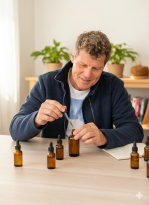
Content 50 ml
Recommended treatment
Free shipping on orders of more than £ 30.00
VAT included

Going back to school during a pandemic is a new experience for everyone, and it's understandable if children are feeling anxious about it. We take a look at some of the issues and how you can help your child to get ready for returning to the classroom.
The return to school after the summer holidays usually involves reentering a world with familiar, easily recognisable routines. If your child is worried about going back to school, use calm words and confident actions to let them know them that it's safe.
Try to find out precisely what is worrying them. Is your child anxious about catching or spreading the virus? Or are they concerned about the changes in the daily schedule caused by the pandemic? As schools make the changes necessary to adapt to COVID-19, your child may be worrying that they will inadvertently break some of the new rules. Reassure them that it doesn't matter if they don't get it right all the time. The situation is unprecedented for teachers, students and parents and everyone will learn together.
We all need certainty in our lives, and that's in short supply at the moment! No one can predict what is going to happen next. Schools are now open, but if infection levels rise again, year group "bubbles "or even the whole school might have to return to self-isolation for a while.
Use familiar events to explain these uncertainties to children. For example, they might remember that their school closed previously during an outbreak of Norovirus. But everything soon went back to normal and eventually, it will do so again.
Try to create fair but firm boundaries for your children, establishing a routine that limits screen time and prioritises good sleep. Enjoy a family mealtime together whenever possible. Try to be honest, and if you don't know the answer to one of their questions, don't be afraid to say so.
If a young child has been at home with you for several months, it's only to be expected that they will be experiencing some degree of separation anxiety at the idea of going back to school. It's your job as a parent to help them cope with their worries. We often underestimate how much young children are aware of stress and anxiety in the adults around them, so try to project a pragmatic, calm and accepting attitude. If you're feeling worried and finding it hard to hide your stress, Bach Flower Mix 85 can help to support your own emotional well being and reduce anxiety levels.
Try to discover exactly what your child is worried about. Talk to them or get them to write down the things that are worrying them most. It might surprise you: things which worry children might seem relatively insignificant to parents and vice versa. The idea of doing something in the future often causes more anxiety than the event itself. Create a step by step plan for returning to school and offer a treat as an incentive for taking those worrying first steps.
As a parent, you may be feeling anxious that your child has fallen behind academically and wondering if they will ever catch up. Whatever your own feelings, remember that your child will learn best in a calm, peaceful and reassuring environment. All children learn differently: while some may respond well to extra coaching, others will benefit from a more relaxed approach. If your child is finding it hard to concentrate after a long break from studying, Bach Flower Mix 55 promotes concentration and helps with hyperactivity.
Fears about returning to school are often as much about friendship groups as theta re about lessons. During the lockdown, children were unable to meet their friends for months. And moving into a new class or even a different school can also mean having to develop a new friendship group. If your child finds it hard to form new relationships, be ready to support them by setting up play dates or after school activities.
After school, chat with your children about what you've been doing; this creates space for them to talk about their own worries. Some children naturally love to talk about the events of their day while others may confine themselves to one-word answers to your questions. Whichever sounds most like your child, always listen to them carefully. Pause to reflect and then rephrase what they said, so they know you understand how they are feeling. This process can be hugely effective in allowing children to accept challenging situations and move forward in their lives.
Created by Tom Vermeersch (bio)

Tom Vermeersch is a certified Psychologist and Bach flower expert with more than 30 years of experience.

Sometimes it’s hard to notice when we've become trapped in familiar routines. Take our quiz to find out if you’re stuck in a rut and what you can do about it.

Did you get stuck in the past?
Do you find yourself often thinking about your past? Do you wish you could turn back the clock to days gone by or things as they were before covid disrupted the world?

Is the world as we know it over?
Since the outbreak of the COVID-19 pandemic, governments around the world have taken unprecedented measures to stop the spread of coronavirus. The rapid changes we've seen have had an impact on almost every aspect of our lives.

Fact or fiction? Is it truly healthy?
There's so much contradictory health advice out there, it gets confusing. One year, butter is said to be bad for you, and margarine is better. The following year, it's the other way around. One article says running causes strain on your joints; another says it's good for you because it increases bone strength.

Is your sex life putting your relationship at risk?
Sexual desire is a complex interaction of hormones, emotions and well-being. When your partner is not as interested in sex as you are, it’s rarely a rejection of you as a person. So it’s essential to be as empathetic as you can regarding your differing libidos.

Can you accept things you can't change? Take our quiz!
Your relationship ends, or you lose your job, and you get stuck in a rut of negative thoughts and suffering. How good are you at letting go of grudges and accepting that some things are beyond your control? Take our quiz to find out!

Stop procrastinating right now and do something!
Read some tips to get the challenge you're thinking about out of the way. Now is the time to do something, you can start right now. Read on to know more!

What are your aims in life? Do you plan to be rich, to be a top footballer, to be a good parent, or to become Prime Minister? However efficiently you plan your life, sooner or later you are going to come up against obstacles to achieving your goals.

What can you do if your kid doesn't want to go back to school?
What can you do if your kid doesn't want to go back to school? Here are our hints and tips to help if your child is expressing a refusal to go to school.

20 natural ways to prevent and relieve headaches
Headaches can be a real nuisance, especially if you get them frequently. Luckily, there are many natural ways to prevent and relieve headaches without needing to reach for over the counter medication.
Going back to school during a pandemic is a new experience for everyone, and it's understandable if children are feeling anxious about it. We take a look at some of the issues and how you can help your child to get ready for returning to the classroom.
The return to school after the summer holidays usually involves reentering a world with familiar, easily recognisable routines. If your child is worried about going back to school, use calm words and confident actions to let them know them that it's safe.
Try to find out precisely what is worrying them. Is your child anxious about catching or spreading the virus? Or are they concerned about the changes in the daily schedule caused by the pandemic? As schools make the changes necessary to adapt to COVID-19, your child may be worrying that they will inadvertently break some of the new rules. Reassure them that it doesn't matter if they don't get it right all the time. The situation is unprecedented for teachers, students and parents and everyone will learn together.

Bach flowers personal mix:
Discover how Personal Bach flowers remedy - Wizard can help you
We all need certainty in our lives, and that's in short supply at the moment! No one can predict what is going to happen next. Schools are now open, but if infection levels rise again, year group "bubbles "or even the whole school might have to return to self-isolation for a while.
Use familiar events to explain these uncertainties to children. For example, they might remember that their school closed previously during an outbreak of Norovirus. But everything soon went back to normal and eventually, it will do so again.
Try to create fair but firm boundaries for your children, establishing a routine that limits screen time and prioritises good sleep. Enjoy a family mealtime together whenever possible. Try to be honest, and if you don't know the answer to one of their questions, don't be afraid to say so.
If a young child has been at home with you for several months, it's only to be expected that they will be experiencing some degree of separation anxiety at the idea of going back to school. It's your job as a parent to help them cope with their worries. We often underestimate how much young children are aware of stress and anxiety in the adults around them, so try to project a pragmatic, calm and accepting attitude. If you're feeling worried and finding it hard to hide your stress, Bach Flower Mix 85 can help to support your own emotional well being and reduce anxiety levels.
Try to discover exactly what your child is worried about. Talk to them or get them to write down the things that are worrying them most. It might surprise you: things which worry children might seem relatively insignificant to parents and vice versa. The idea of doing something in the future often causes more anxiety than the event itself. Create a step by step plan for returning to school and offer a treat as an incentive for taking those worrying first steps.
As a parent, you may be feeling anxious that your child has fallen behind academically and wondering if they will ever catch up. Whatever your own feelings, remember that your child will learn best in a calm, peaceful and reassuring environment. All children learn differently: while some may respond well to extra coaching, others will benefit from a more relaxed approach. If your child is finding it hard to concentrate after a long break from studying, Bach Flower Mix 55 promotes concentration and helps with hyperactivity.
Fears about returning to school are often as much about friendship groups as theta re about lessons. During the lockdown, children were unable to meet their friends for months. And moving into a new class or even a different school can also mean having to develop a new friendship group. If your child finds it hard to form new relationships, be ready to support them by setting up play dates or after school activities.
After school, chat with your children about what you've been doing; this creates space for them to talk about their own worries. Some children naturally love to talk about the events of their day while others may confine themselves to one-word answers to your questions. Whichever sounds most like your child, always listen to them carefully. Pause to reflect and then rephrase what they said, so they know you understand how they are feeling. This process can be hugely effective in allowing children to accept challenging situations and move forward in their lives.
Sometimes it’s hard to notice when we've become trapped in familiar routines. Take our quiz to find out if you’re stuck in a rut and what you can do about it.
Read the complete article
Do you find yourself often thinking about your past? Do you wish you could turn back the clock to days gone by or things as they were before covid disrupted the world?
Since the outbreak of the COVID-19 pandemic, governments around the world have taken unprecedented measures to stop the spread of coronavirus. The rapid changes we've seen have had an impact on almost every aspect of our lives.
There's so much contradictory health advice out there, it gets confusing. One year, butter is said to be bad for you, and margarine is better. The following year, it's the other way around. One article says running causes strain on your joints; another says it's good for you because it increases bone strength.
Sexual desire is a complex interaction of hormones, emotions and well-being. When your partner is not as interested in sex as you are, it’s rarely a rejection of you as a person. So it’s essential to be as empathetic as you can regarding your differing libidos.
Your relationship ends, or you lose your job, and you get stuck in a rut of negative thoughts and suffering. How good are you at letting go of grudges and accepting that some things are beyond your control? Take our quiz to find out!
Read the complete article
Read some tips to get the challenge you're thinking about out of the way. Now is the time to do something, you can start right now. Read on to know more!
Read the complete article
What are your aims in life? Do you plan to be rich, to be a top footballer, to be a good parent, or to become Prime Minister? However efficiently you plan your life, sooner or later you are going to come up against obstacles to achieving your goals.
What can you do if your kid doesn't want to go back to school? Here are our hints and tips to help if your child is expressing a refusal to go to school.
Headaches can be a real nuisance, especially if you get them frequently. Luckily, there are many natural ways to prevent and relieve headaches without needing to reach for over the counter medication.
Bach Flowers are not medicinal but harmless plant extracts which are used to support health.
© 2026 Mariepure - Webdesign Publi4u


Are you unsure which Bach flowers can help you? Contact Tom for free advice.