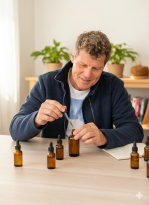
Content 50 ml
Recommended treatment
Free shipping on orders of more than £ 30.00
VAT included

Legends of immortality have been told and retold throughout history. From ancient Greek myths to modern movies and novels, the dream of eternal youth has been passed down from generation to generation.
While the Elixir of Youth remains a fantasy, advances in public health, science and medicine mean that the possibility of a longer life is a reality. However, unlike the legends, the secret of a long life isn't a magic potion - it's a healthier lifestyle.
Research suggests that genetics explains only 25% of lifespan variation, while lifestyle and environmental factors may account for the rest. While ageing is inevitable, making some lifestyle changes can help you stay fit as you grow older and may also help you live longer. Here are the healthy habits of those who live long and healthy lives.
Quitting smoking can extend your life by as much as ten years because smoking may damage almost any organ in your body. People who smoke have three times the mortality rate of non-smokers as it increases the risk of heart disease, heart attack, stroke, lung cancer, and other cancers. Luckily, it's never too late to give up. And the younger you give up this habit, the better. If you quit smoking before age 40, it lowers the risk of dying from a smoking-related condition by around 90%.
Bach Flowers Mix 58 can help you succeed in giving up smoking by reducing the craving for nicotine and supporting you to feel calmer, believe in yourself and persevere.
We know that being active is good for us. But as well as keeping you strong and fit, even small amounts of regular exercise can help you to live longer.
Exercise not only strengthens muscles and bones but also reduces the risk of age-related conditions such as diabetes, stroke, heart disease and some forms of cancer. Exercise can also slow the ageing process on a cellular level. While a sedentary lifestyle has been linked to a higher risk of premature death, just 150 minutes of moderate exercise a week could lengthen your lifespan by three years.
You don't necessarily have to join a gym - you could try swimming, dancing or cycling. Housework, gardening or a 30-minute walk every day all count as exercise and will be beneficial.
Drinking excessive alcohol increases the risk of liver disease, heart disease, raised blood pressure and some cancers, all conditions that can shorten your lifespan. Research has linked drinking 14 -25 drinks per week with shortening life expectancy by around two years, while drinking over 25 drinks per week could shorten life by 4 - 5 years.
But avoiding excessive alcohol intake minimises these risks. The recommended limits are to consume no more than 14 drinks a week and to avoid alcohol altogether on some days.
If you wish to change your drinking habits, Bach Flower Mix 62 can help you to resist the social pressures to drink alcohol, prevent hallucinations and avoid depression and irritability.
Some studies have shown that light drinking might even lower the risk of stroke or heart disease. But the benefits aren't clear, so there's no reason to start drinking alcohol if you don't at present.
Maintaining a healthy social network benefits not only your emotional health- it's also good for your physical wellbeing! People with robust supportive social networks have been shown to have a 50% greater chance of survival in any single year than those who are more isolated. Research has shown that the health risk of loneliness is the same as if you smoked 15 cigarettes daily and has a greater impact than being inactive or obese.
Strong, fulfilling relationships increase our happiness and general satisfaction. In addition, a supportive social network also reduces stress and boosts physical health. And helping and supporting others is good for you, so try to spend quality time with family and friends.
Stress is unavoidable, but severe and ongoing stress affects almost all the body's processes. It increases the risk of anxiety, depression, hypertension, diabetes, obesity, heart disease and inflammation, which are likely to shorten life.
While some stressful situations can't be avoided, there are many ways to help manage stress. For example, some people find meditation or yoga helpful, while others turn to exercise or keeping a journal to relieve stress and help them relax. Sometimes, a life change such as switching careers or leaving a bad relationship may be the solution.
The food you eat can have a significant impact on your health, including how long you are likely to live. A diet rich in vegetables, fruits, fibre, and whole grains, protects against the chronic diseases and inflammation that are linked to earlier deaths, such as cancers, heart disease and obesity.
Try to include a wide range of unprocessed foods in your meals. Eat plenty of fruits, vegetables, legumes, whole grains and nuts while avoiding refined sugars. The Mediterranean diet, based on vegetables, fish, fruits, whole grains, legumes and olive oil, is believed to boost longevity and reduce the risk of diabetes and heart disease.
Many studies have shown that not getting enough sleep increases the risk of severe conditions such as hypertension, cardiovascular disease, obesity and diabetes, any or all of which can shorten your life.
But sleeping too much can also be bad for you as it is linked to a higher risk of heart disease and stroke. So try to keep to the same bedtime every night and get around 7 to 8 hours of sleep.
Living a longer life may seem out of your control, but adopting healthier habits and looking after yourself well may help you reach a ripe old age.
Quitting smoking, limiting alcohol, exercising, sleeping and eating well may seem simple, but these lifestyle changes can improve your health and set you on the road to a long and happy life.
Sources:
https://www.nhs.uk/live-well/eat-well/
https://my.clevelandclinic.org/health/articles/11870-why-should-i-quit-smoking
https://www.drinkaware.co.uk/advice/how-to-reduce-your-drinking/reasons-for-cutting-down-on-alcohol
Created by Tom Vermeersch (bio)

Tom Vermeersch is a certified Psychologist and Bach flower expert with more than 30 years of experience.

Nowadays, it can sometimes seem almost everyone has a mental health issue or learning disorder. But, are we too quick to label people, or is it that we are more aware of the problems? This article looks at some of the issues surrounding these sensitive questions.

7 tips to help your dog with a fear of fireworks
As nice as it is for a person to celebrate New Year, it's not so nice for a dog, especially when the loud fireworks go off the whole night. This is really frightening for many dogs. Read our 7 tips on how you can help your dog with his fear of fireworks.

Do you expect too much from others?
Do you expect more from others than they are prepared to give? Signs that you may be asking too much - and how to break the pattern.

Did you get stuck in the past?
Do you find yourself often thinking about your past? Do you wish you could turn back the clock to days gone by or things as they were before covid disrupted the world?

It’s such a positive thing to do and hope springs eternal, so why not commit yourself to a change this year? Here’s our tips on how to stick to your new year’s resolutions.

Bad habits waste your energy and time. They disrupt your life, risk your health and stop you from achieving your aims. So why do we do them? And what can we do to break our bad habits?

Being happy is something everybody strives for, but unfortunately there are a lot of people who go through life unhappily. A lot of people take life how it is.

What are your aims in life? Do you plan to be rich, to be a top footballer, to be a good parent, or to become Prime Minister? However efficiently you plan your life, sooner or later you are going to come up against obstacles to achieving your goals.

"Bach Flower Advice" becomes "Mariepure"
After 25 years in the Bach flower world, we asked ourselves, is now the right time for our own new name? Not only have we grown, but so have you, along with the confidence you have in us. That's why we want to connect ourselves to our own name. That name is Mariepure.

Tips to balance your negative aspects
Everyone is unique, even in their own bad habits or negative traits. Here are some tips to balance those negative traits in our new article!
Legends of immortality have been told and retold throughout history. From ancient Greek myths to modern movies and novels, the dream of eternal youth has been passed down from generation to generation.
While the Elixir of Youth remains a fantasy, advances in public health, science and medicine mean that the possibility of a longer life is a reality. However, unlike the legends, the secret of a long life isn't a magic potion - it's a healthier lifestyle.
Research suggests that genetics explains only 25% of lifespan variation, while lifestyle and environmental factors may account for the rest. While ageing is inevitable, making some lifestyle changes can help you stay fit as you grow older and may also help you live longer. Here are the healthy habits of those who live long and healthy lives.

Bach flowers personal mix:
Discover how Personal Bach flowers remedy - Wizard can help you
Quitting smoking can extend your life by as much as ten years because smoking may damage almost any organ in your body. People who smoke have three times the mortality rate of non-smokers as it increases the risk of heart disease, heart attack, stroke, lung cancer, and other cancers. Luckily, it's never too late to give up. And the younger you give up this habit, the better. If you quit smoking before age 40, it lowers the risk of dying from a smoking-related condition by around 90%.
Bach Flowers Mix 58 can help you succeed in giving up smoking by reducing the craving for nicotine and supporting you to feel calmer, believe in yourself and persevere.
We know that being active is good for us. But as well as keeping you strong and fit, even small amounts of regular exercise can help you to live longer.
Exercise not only strengthens muscles and bones but also reduces the risk of age-related conditions such as diabetes, stroke, heart disease and some forms of cancer. Exercise can also slow the ageing process on a cellular level. While a sedentary lifestyle has been linked to a higher risk of premature death, just 150 minutes of moderate exercise a week could lengthen your lifespan by three years.
You don't necessarily have to join a gym - you could try swimming, dancing or cycling. Housework, gardening or a 30-minute walk every day all count as exercise and will be beneficial.
Drinking excessive alcohol increases the risk of liver disease, heart disease, raised blood pressure and some cancers, all conditions that can shorten your lifespan. Research has linked drinking 14 -25 drinks per week with shortening life expectancy by around two years, while drinking over 25 drinks per week could shorten life by 4 - 5 years.
But avoiding excessive alcohol intake minimises these risks. The recommended limits are to consume no more than 14 drinks a week and to avoid alcohol altogether on some days.
If you wish to change your drinking habits, Bach Flower Mix 62 can help you to resist the social pressures to drink alcohol, prevent hallucinations and avoid depression and irritability.
Some studies have shown that light drinking might even lower the risk of stroke or heart disease. But the benefits aren't clear, so there's no reason to start drinking alcohol if you don't at present.
Maintaining a healthy social network benefits not only your emotional health- it's also good for your physical wellbeing! People with robust supportive social networks have been shown to have a 50% greater chance of survival in any single year than those who are more isolated. Research has shown that the health risk of loneliness is the same as if you smoked 15 cigarettes daily and has a greater impact than being inactive or obese.
Strong, fulfilling relationships increase our happiness and general satisfaction. In addition, a supportive social network also reduces stress and boosts physical health. And helping and supporting others is good for you, so try to spend quality time with family and friends.
Stress is unavoidable, but severe and ongoing stress affects almost all the body's processes. It increases the risk of anxiety, depression, hypertension, diabetes, obesity, heart disease and inflammation, which are likely to shorten life.
While some stressful situations can't be avoided, there are many ways to help manage stress. For example, some people find meditation or yoga helpful, while others turn to exercise or keeping a journal to relieve stress and help them relax. Sometimes, a life change such as switching careers or leaving a bad relationship may be the solution.
The food you eat can have a significant impact on your health, including how long you are likely to live. A diet rich in vegetables, fruits, fibre, and whole grains, protects against the chronic diseases and inflammation that are linked to earlier deaths, such as cancers, heart disease and obesity.
Try to include a wide range of unprocessed foods in your meals. Eat plenty of fruits, vegetables, legumes, whole grains and nuts while avoiding refined sugars. The Mediterranean diet, based on vegetables, fish, fruits, whole grains, legumes and olive oil, is believed to boost longevity and reduce the risk of diabetes and heart disease.
Many studies have shown that not getting enough sleep increases the risk of severe conditions such as hypertension, cardiovascular disease, obesity and diabetes, any or all of which can shorten your life.
But sleeping too much can also be bad for you as it is linked to a higher risk of heart disease and stroke. So try to keep to the same bedtime every night and get around 7 to 8 hours of sleep.
Living a longer life may seem out of your control, but adopting healthier habits and looking after yourself well may help you reach a ripe old age.
Quitting smoking, limiting alcohol, exercising, sleeping and eating well may seem simple, but these lifestyle changes can improve your health and set you on the road to a long and happy life.
Sources:
https://www.nhs.uk/live-well/eat-well/
https://my.clevelandclinic.org/health/articles/11870-why-should-i-quit-smoking
https://www.drinkaware.co.uk/advice/how-to-reduce-your-drinking/reasons-for-cutting-down-on-alcohol
Nowadays, it can sometimes seem almost everyone has a mental health issue or learning disorder. But, are we too quick to label people, or is it that we are more aware of the problems? This article looks at some of the issues surrounding these sensitive questions.
As nice as it is for a person to celebrate New Year, it's not so nice for a dog, especially when the loud fireworks go off the whole night. This is really frightening for many dogs. Read our 7 tips on how you can help your dog with his fear of fireworks.
Do you expect more from others than they are prepared to give? Signs that you may be asking too much - and how to break the pattern.
Do you find yourself often thinking about your past? Do you wish you could turn back the clock to days gone by or things as they were before covid disrupted the world?
It’s such a positive thing to do and hope springs eternal, so why not commit yourself to a change this year? Here’s our tips on how to stick to your new year’s resolutions.
Bad habits waste your energy and time. They disrupt your life, risk your health and stop you from achieving your aims. So why do we do them? And what can we do to break our bad habits?
Being happy is something everybody strives for, but unfortunately there are a lot of people who go through life unhappily. A lot of people take life how it is.
Read the complete article
What are your aims in life? Do you plan to be rich, to be a top footballer, to be a good parent, or to become Prime Minister? However efficiently you plan your life, sooner or later you are going to come up against obstacles to achieving your goals.
After 25 years in the Bach flower world, we asked ourselves, is now the right time for our own new name? Not only have we grown, but so have you, along with the confidence you have in us. That's why we want to connect ourselves to our own name. That name is Mariepure.
Everyone is unique, even in their own bad habits or negative traits. Here are some tips to balance those negative traits in our new article!
Bach Flowers are not medicinal but harmless plant extracts which are used to support health.
© 2026 Mariepure - Webdesign Publi4u


Are you unsure which Bach flowers can help you? Contact Tom for free advice.